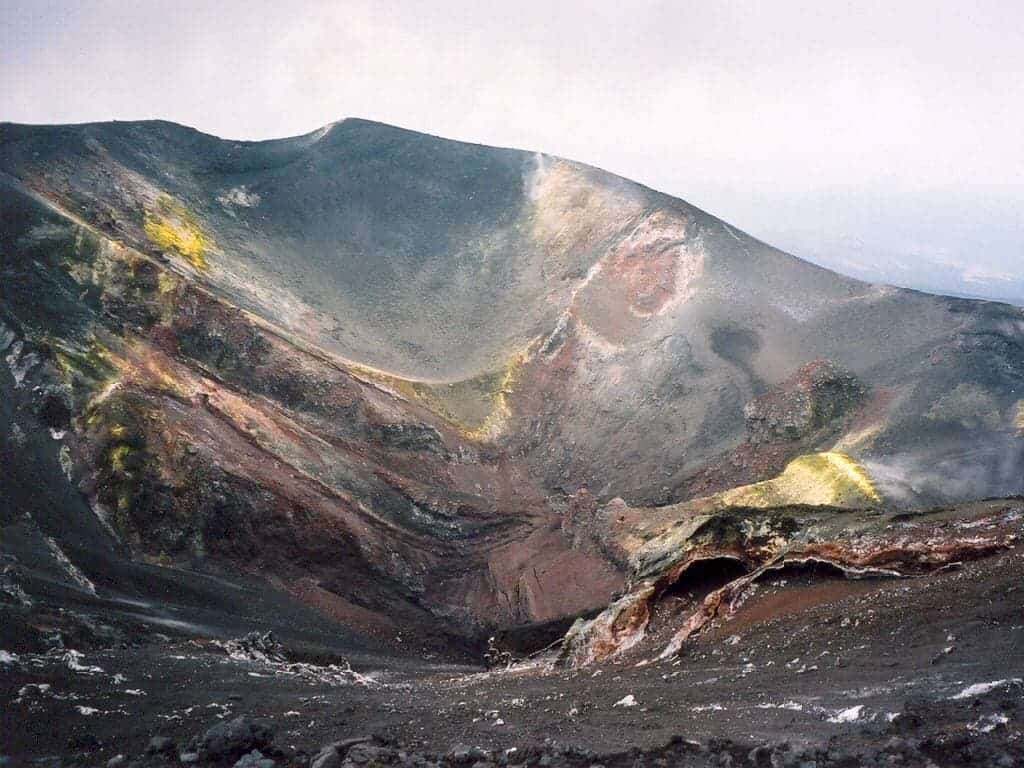
Valle del Bove
A massive, horseshoe-shaped caldera that provides a clear view of historical lava flows and volcanic stratification.
Look from the eastern rim for the best wide-angle perspective.

Mount Etna rises 3,357 meters above Sicily's eastern coast, reshaping its summit with nearly constant volcanic activity. This guide evaluates the experience against the logistics—what you'll actually see, how much time and effort it requires, and who finds the journey most rewarding.
Quick answer
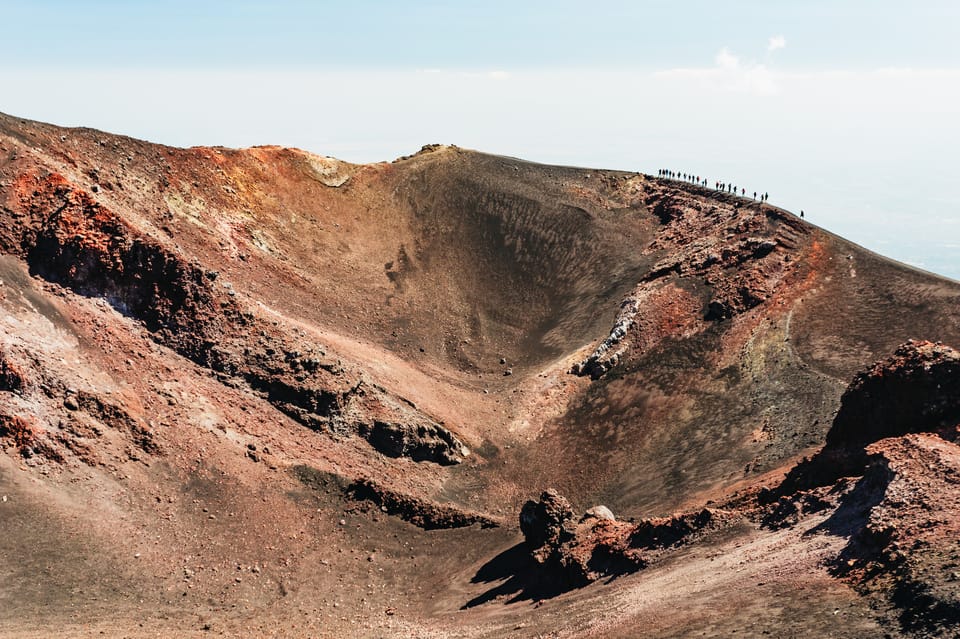
Mount Etna rewards visitors with lunar crater landscapes, active fumaroles, and views across Sicily and the Mediterranean. The base areas and park trails are free to explore from 08:45 to 16:00 daily, though reaching the higher volcanic zones requires paid cable car transport and authorized guides. The experience justifies the trip if you prioritize geological spectacle and physical terrain over cultural sites, especially between late spring and early autumn when weather cooperates.
Mount Etna erupts on average every few months, making it one of the world's most consistently active volcanoes and a living laboratory for vulcanology. The question of whether visiting Mount Etna is worth your time depends on what you value in travel—this is not a polished monument but a raw geological force that smells of sulfur and crunches underfoot with black volcanic sand. The mountain operates on two tiers. The lower slopes and forested trails are accessible independently at no cost, offering views of old lava flows, extinct craters like the Monti Silvestri, and the sweep of the Ionian coast. These areas suit families and casual hikers who want a taste of volcanic terrain without technical demands. The upper craters—where steam vents hiss and the ground stays warm—require cable car access and a certified guide, adding both cost and structure to the day. Weather dictates visibility and safety, so summit excursions often close with little notice during high winds or fresh activity. Visitors drawn to Etna tend to fall into two groups: those seeking geological drama over man-made heritage, and those building a broader Sicily itinerary who want one day outside the baroque towns. The volcano delivers scale and strangeness—walking across fields of ropey pahoehoe lava, watching steam rise from fissures, standing on slopes that didn't exist a decade ago. It does not deliver ease. The altitude, the exposure, and the stark terrain ask more of you physically than a day in Taormina or Siracusa. The experience works best when expectations align with reality. Etna is worth visiting if you want to witness an active volcano up close, if you're prepared for variable weather even in summer, and if you find beauty in desolation rather than decoration. It is less compelling if your Sicily time is limited and your interests lean toward archaeology, wine, or coastal towns—all of which the island offers in abundance. The mountain does not compromise, and that clarity makes the decision easier.
“Walking across fields of ropey pahoehoe lava and watching steam rise from fissures, you stand on slopes that didn't exist a decade ago.”
The period from April to May and September to October offers the most favorable balance of stable weather and manageable visitor levels. Arriving early in the day is essential for clear visibility before cloud cover typically develops.
Mild 10°C to 18°C. Ideal for hiking with clear skies.
The landscape is green and wildflowers are in bloom.
Cool 12°C to 20°C. Stable weather patterns.
Temperatures are comfortable for navigating volcanic terrain.
—
The best arrival window is 08:45–11:00 to minimize exposure to peak crowds.
Verdict: For the best experience, plan your visit for a weekday morning in April or October, ensuring you arrive between 08:45 and 11:00.
Mount Etna is accessible to visitors daily, maintaining consistent operating hours throughout the week. Planning your visit within these designated times helps ensure you can explore the park trails and base areas effectively.
Access to Mount Etna base areas and park trails is free of charge. Costs for visitors typically arise when utilizing specialized transport services or professional guides to reach higher altitude zones.
Verdict: A typical visitor pays 0 EUR for park entry, with final costs depending on whether they choose to hire professional guides or use transport for high-altitude exploration.
Mount Etna is located in the Metropolitan City of Catania. The most direct approach for visitors traveling from Catania is by car or regional bus service toward the Sapienza Refuge area.
AST bus line from Catania Central Station to Etna Sud/Sapienza Refuge
SP92 road from Catania city center toward Etna Sud
Private transfer via SP92 to Etna Sud
Aim to arrive within the best arrival window of 08:45–11:00 to secure parking at the Etna Sud base and enjoy clearer weather conditions.
Mount Etna features a diverse range of volcanic landscapes shaped by ongoing geological activity. Visitors can explore distinct zones that showcase the raw power and ecological variety of this active site.
A massive, horseshoe-shaped caldera that provides a clear view of historical lava flows and volcanic stratification.
Look from the eastern rim for the best wide-angle perspective.
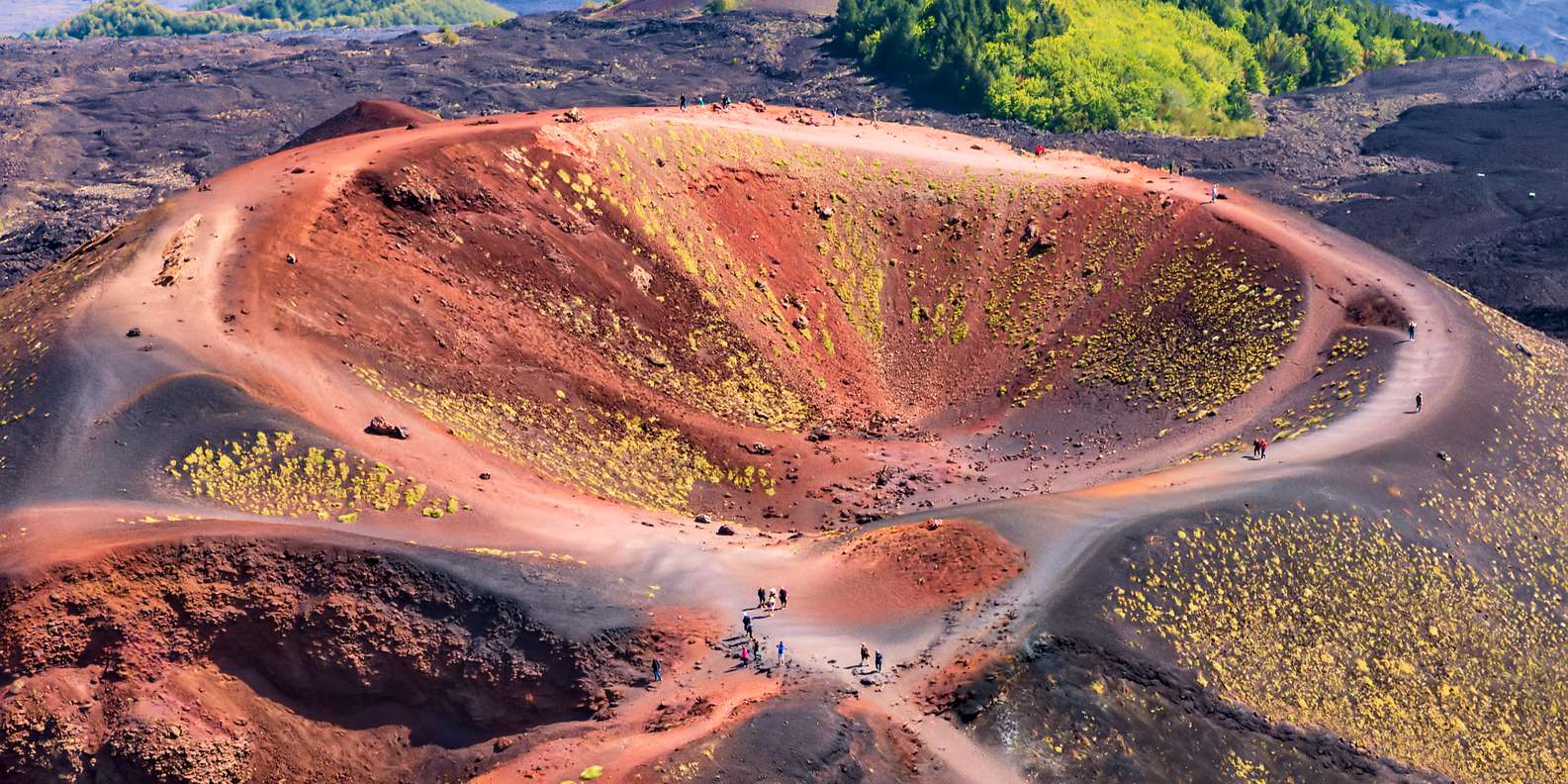
These dormant craters on the southern slopes are easily accessible and display solidified lava formations and volcanic ash.
Walk the perimeter early to avoid midday crowds.
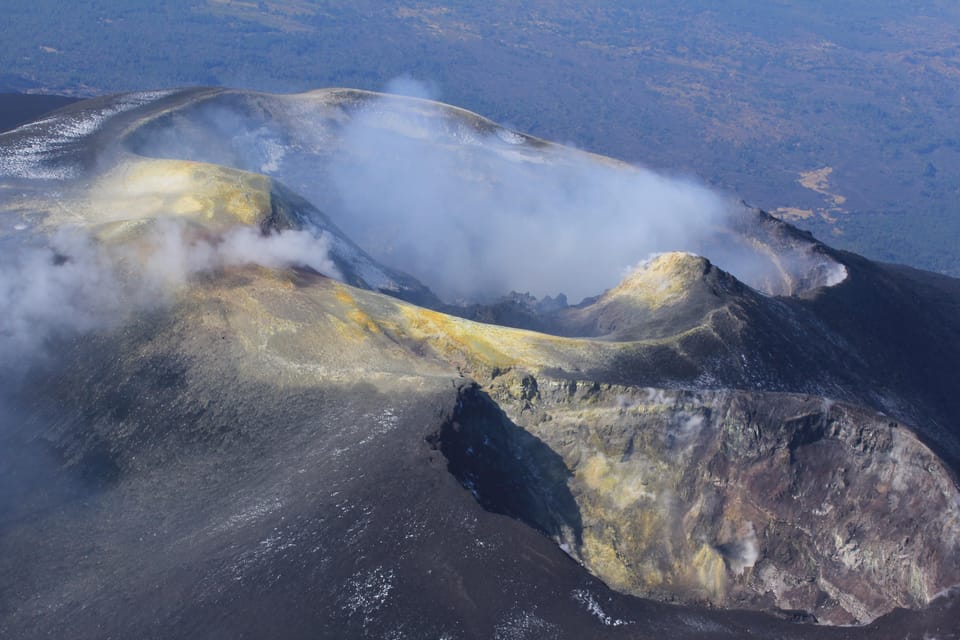
The highest point of the volcano, where active vents and fumaroles release steam and gases under strict supervision.
Visit with a certified guide for safety and access.
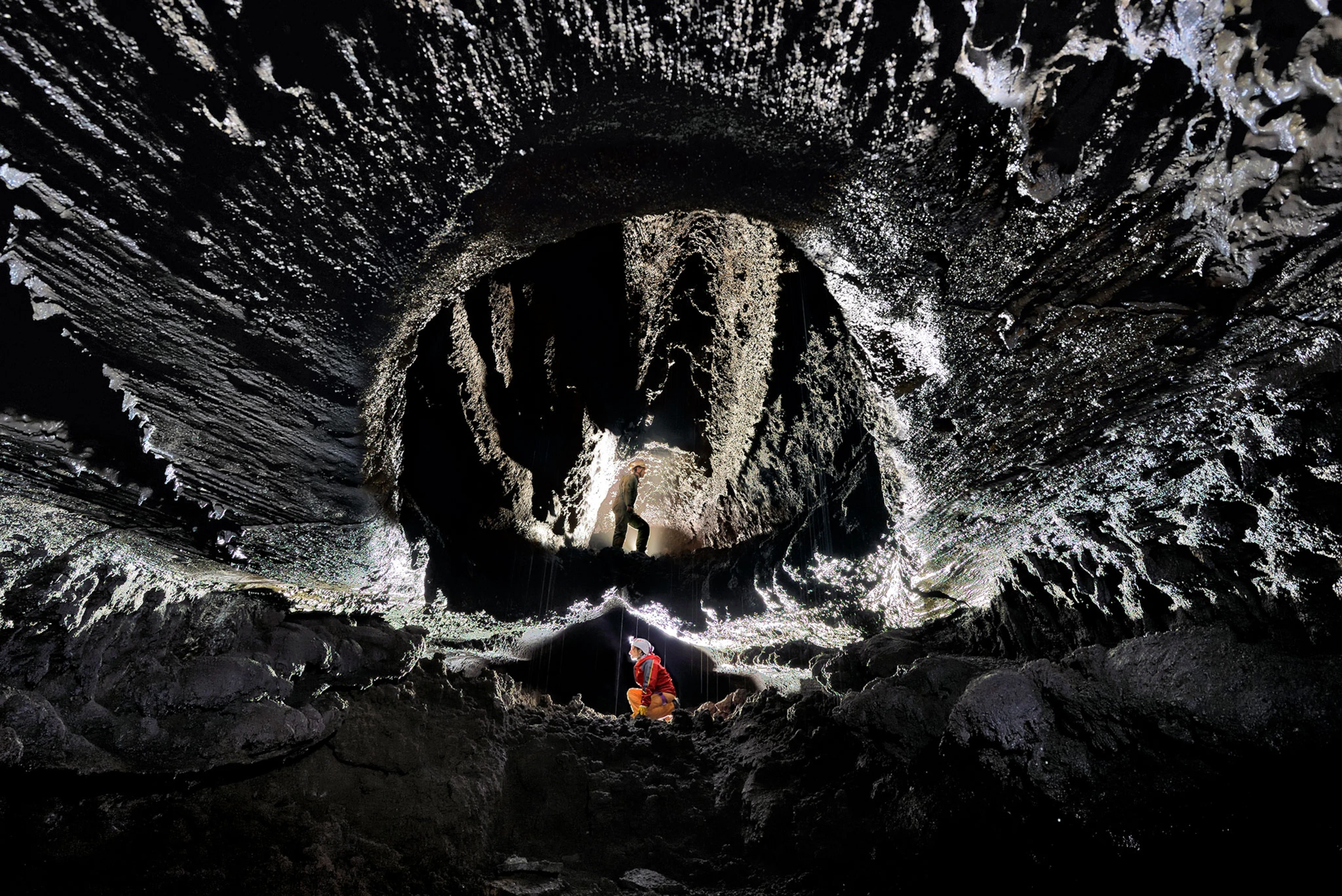
Natural underground tunnels formed by solidified lava crust, offering a glimpse into the internal plumbing of past eruptions.
Bring a flashlight to examine the tube walls.
High-altitude excursions require specific gear and advance planning to stay safe and comfortable on the volcano's exposed slopes.
Everything you need to know about is mount etna worth visiting
Mount Etna is a significant geological site offering unique volcanic landscapes and hiking trails. Travelers often find the experience rewarding due to the diverse terrain and historic lava flows found throughout the park.
Booking a guided excursion from Catania helps navigate the complex terrain efficiently. These services provide necessary transportation and local expertise for exploring high-altitude craters safely.
Even with limited time, seeing the base areas provides a good overview of the volcanic environment. Many visitors find that a brief excursion is sufficient to appreciate the scale of this active Sicilian landmark.
Entry to the base areas and park trails is 0 EUR. Please note that reaching the high-altitude zones typically requires paid transport or specialized mountain guides.
The best arrival window is 08:45–11:00 to ensure clearer weather and fewer visitors. Arriving early during this daily timeframe provides a more peaceful environment for your exploration.
The mountain is generally accessible for family walks in lower areas, though terrain varies significantly. Visitors should confirm that their chosen trail or guided tour is suitable for the age and fitness level of their group.
The site remains a major active geological zone with changing conditions. Ensure you follow all park signage and safety regulations to manage your visit to this UNESCO heritage location effectively.
Mount Etna Tours from Catania Price
Read more GuideHow to Get to Mount Etna from Catania
Read more Tickets & toursMount Etna and Taormina Tours
Read more GuideCan You Visit Mount Etna
Read more GuideHow Far is Catania from Mount Etna
Read more Tickets & toursMount Etna Wine Tours
Read more Tickets & toursMount Etna Tours from Catania Port
Read more Tickets & toursMount Etna Half Day Tours
Read more